Crashes involving drunk drivers can be devastating. As the victim, trying to recover damages from them can be tricky, but there may be multiple liable parties, including whoever was serving them alcohol that day. Pennsylvania has a rule called the Dram Shop Law, which allows personal injury victims hurt by a drunk party to pursue compensation from restaurants, bars, stores, or any licensed establishment that may have overserved the defendant.
If you were hurt by a drunk driver, you have the right to pursue compensation. A Lancaster car crash personal injury lawyer can help you determine if you can seek compensation from anyone who served them alcohol, and guide you through the process.
Call (717) 393-9596 for a consultation with Atlee Hall.
What Is Pennsylvania Dram Shop Liability?
“Dram shop” is an old phrase that refers to places that sell alcohol. Dram shop liability means a business that serves alcohol can be held legally responsible when it serves a visibly intoxicated person or a minor, and that person goes on to cause harm.
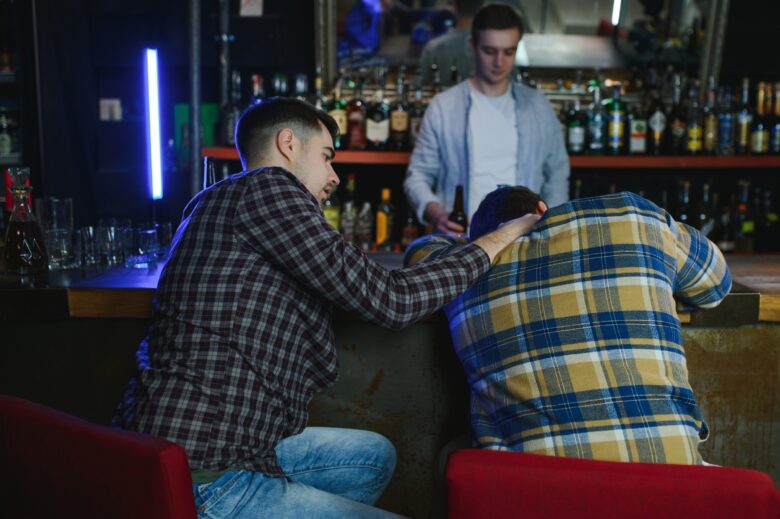
The modern rule is simple: businesses with a liquor license can be held responsible for injuries if they serve alcohol to a visibly intoxicated person or to a minor and that service contributes to harm. “Visibly intoxicated” means obvious, outward signs of drunkenness that a reasonable server should notice. Think slurred speech, unsteady walking, glassy eyes, confusion at the register, or loud and erratic behavior. For minors, the rule is stricter. Serving anyone under 21 is illegal, and the victim does not have to prove the minor looked drunk at the time.
Who Can Be Sued Under the Dram Shop Law?
Different parties or businesses can be targeted under Dram Shop laws, including:
- Bars
- Restaurants
- Clubs
- Caterers
- Breweries
- Wineries
- Liquor stores
Social hosts at private gatherings are generally outside this rule when serving adults, but serving minors at a house party can still create serious legal exposure.
How Dram Shop Law Changes Your Personal Injury Case
Adding the establishment to your claim can make a big difference. Here is why.
- More insurance and resources. A bar or store often has commercial insurance. That can increase the amount available to cover medical bills, lost income, pain and suffering, and other losses.
- Different proof. You still have to prove the drunk driver caused the crash. On top of that, you must prove illegal service at the establishment. That adds a second track of evidence.
- Faster timelines. Businesses often overwrite security camera footage within days. Quick legal action is critical.
- Settlement leverage. If a business ignored its own alcohol service rules or skipped training, that can create pressure to resolve the case fairly.
What Do I Have to Prove in Dram Shop Liability?
Every dram shop case has two main questions.
- Did the establishment break the rule?
- Did that illegal service help cause your injuries?
In legal terms, that second question is called causation. Causation simply means the illegal service played a real part in what happened, not just something unrelated in the background.
Proving Service to a Visibly Intoxicated Adult
To win on this pathway, you must show the person was clearly drunk when the establishment served at least one more drink. “Clearly drunk” means things you can see or hear, like:
- slurred or incoherent speech
- trouble finishing sentences or paying the tab
- bloodshot or glassy eyes
- loss of balance or coordination
- stumbling, swaying, or needing support
- aggressive, loud, or erratic behavior
- very slow reactions or impaired judgment
It is not only about how many drinks were served. The key is whether the person was visibly intoxicated at the time the business kept serving them.
Did the Bar Serve a Minor?
If the establishment served someone under 21, you do not have to prove visible intoxication. The illegal service itself can create liability if it contributed to the crash.
Evidence That Can Make or Break Your Claim
Dram shop cases are won by careful investigation and fast evidence preservation. Here are the building blocks your lawyer will pursue.
- Surveillance video and audio. Cameras inside and outside the business can show how the patron walked, spoke, or behaved. Many systems overwrite video quickly. Acting fast matters.
- Point-of-sale data. Tabs, receipts, and time-stamped orders help show how much was served and when.
- Training and policy records. Written alcohol service policies, server certifications, and shift schedules show what the business requires and who was on duty.
- Incident logs and prior violations. Internal notes or past citations can support a pattern of unsafe service.
- Witness statements. Other patrons, servers, security, friends, or ride-share drivers may confirm visible intoxication.
- Police reports and testing. Field sobriety tests, blood alcohol results, and officer observations help establish the timeline.
- Phone photos, videos, and social media. People often record during a night out. Posts, texts, or stories can be valuable.
- Expert analysis. A toxicologist can work backward from a later blood alcohol concentration to explain likely visible symptoms at earlier times. This can connect the bar service to what everyone saw.
You may hear the phrase “preservation letter.” That is a formal notice your lawyer sends to the business telling them to save video, receipts, schedules, and other records. In plain terms, it says do not delete anything relevant.
What to Do After a Crash With a Suspected Overserved Driver
- Get medical care. Follow your doctor’s instructions. Your health comes first, and medical records document your injuries and recovery needs.
- Report the crash. Get the police report number. Ask for a copy as soon as it is available.
- Write down what you remember. Did the other driver admit coming from a bar or party? Did you notice a smell of alcohol, slurred speech, or stumbling? Small details add up.
- Save everything. Photos of vehicles, the scene, your injuries, and any dashcam footage can be powerful. Keep receipts and insurance paperwork.
- Do not contact the bar or argue online. Let your lawyer handle communications. Social media posts can be used against you.
- Call a local lawyer quickly. Time is critical for video and witnesses. A Lancaster attorney who handles dram shop claims will know which businesses typically have cameras, how long they keep footage, and how to lock it down.
- Your lawyer investigates. Expect preservation letters, witness outreach, requests for video and tabs, and, if needed, experts who can explain intoxication and crash mechanics.
Remember these Deadlines and Timing in Pennsylvania
Pennsylvania generally gives you two years from the date of the crash to file a personal injury or wrongful death lawsuit. This is called the statute of limitations. In plain terms, it is the legal deadline. Missing it usually ends the claim.
There are also practical deadlines. Many businesses overwrite video in a matter of days. Employees move on. Memories fade. The sooner your legal team starts, the better your chances of preserving the best evidence.
What Compensation Can You Seek in a Dram Shop Case?
Your claim can include both economic and non-economic losses.
- Medical bills. Hospital care, surgery, imaging, medication, therapy, and future medical needs.
- Lost income. Pay you missed while recovering, plus reduced earning ability if injuries affect your work long term.
- Property damage. Repair or replacement of your vehicle and other property.
- Pain and suffering. Physical pain, limits on daily life, loss of enjoyment, and emotional distress.
- Wrongful death damages. If a loved one died, the family may seek funeral costs, loss of support, and related losses.
- Punitive damages. In rare, egregious cases, additional money may be awarded to punish especially reckless conduct and deter it in the future. “Punitive” means punishment-focused, not just compensation.
Are There Defenses Against Dram Shop Claims?
Defense lawyers and insurers often try to shift blame or poke holes in the timeline. Here is how those arguments typically look and how your legal team responds.
- “They did not look drunk at the time.” Your lawyer counters with video, witness accounts, and expert toxicology to show obvious signs and the service timeline.
- “They drank somewhere else.” Investigation pieces together where the person drank and when. Tabs, receipts, ride records, and geotagged posts can connect the dots.
- “The crash was not caused by alcohol.” Causation is addressed with police observations, crash reconstruction, and medical experts linking impairment to reaction time, judgment, and the collision sequence.
- “You were partly at fault.” Pennsylvania uses a rule called modified comparative negligence. In plain terms, your compensation can be reduced if you share blame, but you can still recover as long as you are not mostly at fault. Your lawyer pushes back with objective evidence about the drunk driver’s conduct and the physics of the crash.
You may also hear the word discovery. Discovery is the stage of a lawsuit where both sides exchange evidence, take depositions, and ask written questions. Think of it as a formal process to make the other side share what they know.
Here’s How Atlee Hall Builds Dram Shop Cases
- Rapid response. We send preservation letters immediately to secure video, tabs, and training records before they disappear.
- Local knowledge. We know Lancaster businesses, typical camera placements, and how long systems store footage.
- Expert team. We work with toxicologists, investigators, and crash reconstruction experts to connect visible signs to service times and to the crash.
- Policy focus. We review alcohol service policies, server certifications, and past incidents to show where the business fell short.
- Clear damages proof. We coordinate with your medical providers to document injuries, future care, and how the crash affects your work and daily life.
- You get plain-language updates, not legal jargon.
FAQs about Dram Shop Law Cases
Do I still have a case if the driver was not charged with DUI?
Yes. Your civil case does not depend on a criminal DUI charge. We can use other evidence to prove intoxication and illegal service, including witness testimony, receipts, and expert analysis.
What if the bar says the patron seemed fine?
Visible intoxication is judged by all the circumstances. Video, time-stamped drink orders, and witness accounts can outweigh a general claim that “they looked fine.” Expert toxicologists can explain why someone with a certain blood alcohol level would show obvious signs at earlier times.
Can the drunk driver sue the bar too?
Generally, intoxicated adults have limited rights to sue for their own injuries. There are exceptions, especially for minors. We can explain how this affects your case if it comes up.
Do dram shop cases always go to trial?
Many resolve through settlement once the evidence is preserved and exchanged. We prepare every case as if it will go to trial. That preparation often leads to fairer offers.
How long will my case take?
Timelines vary based on injury severity, how quickly we can secure evidence, and the insurer’s approach. What matters most is starting now so we do not lose key proof like video.
Can I pursue a claim if the drunk driver caused a fatal crash?
Yes, you can pursue a fatal car accident claim, and proving that the establishment was negligent when serving the driver is especially important.
Call Atlee Hall Today
The sooner we get involved, the more we can do to protect your case. Contact Atlee Hall to talk with a Lancaster personal injury lawyer about a potential dram shop claim and the next steps tailored to your situation.
Call (717) 393-9596 or fill out our contact form to schedule your consultation as soon as possible.